
A movie database is more than a place to store titles. It is the structure…

WordPress Movie Database Plugin
A movie site is only as good as its database. The part that holds the site together is the structure underneath: titles, people, seasons, and episodes, linked so a viewer can move from one film to the next. A WordPress movie database plugin is the tool that builds and maintains that structure inside WordPress, turning titles into a library a stranger can browse.
This guide explains what such a plugin must do: model movies and series, organise them with taxonomies, import without duplicates, support search and filtering, structure pages for search engines, and stay maintainable as the catalog grows. No price is quoted and no competing tool is named with invented claims, because a WordPress movie database plugin decision is only useful when its parts can be checked.
Quick answer
A movie database plugin for WordPress should cover six jobs together: a data model for movies, series, seasons, episodes, and people; taxonomies for genre, year, country, language, and network; import with duplicate detection and consistent metadata; search and filtering that cover titles, people, and genres; page structure that search engines can read; and maintenance routines a small team can sustain.
- Model first: movies, series, seasons, episodes, and people as linked records.
- Taxonomies second: genre, year, country, language, and network as consistent labels.
- Import third: single-title import with duplicate detection and complete metadata.
- Search fourth: titles, people, and genres searchable and filterable in predictable ways.
- Maintenance fifth: updates, removals, and retests handled on a routine.
Follow that order, and a WordPress movie database plugin stops being a list of features and becomes a checklist the site can be judged against.
1. The data model: movies, series, seasons, episodes, people
The data model is the heart of any movie database. A film is a record with a title, description, poster, rating, cast list, and genres. A series is a record that contains seasons, and each season contains episodes, and each episode belongs to its season in order. People are records too, with their own pages listing the films and series they worked on. When those records are linked, a viewer can move from a film to its lead actor, then to that actor’s other films, without ever leaving the library.
That linking is what separates a real WordPress movie database plugin from a folder of files. If episodes are not tied to their season, a viewer cannot watch in order. If cast members are typed as plain text on each page, a viewer cannot follow an actor to their next film. The model earns its place first, because browsing, search, recommendations, and watchlists all depend on it being right.
2. Taxonomies: the labels that make browsing work
Taxonomies are the shared labels applied to records: genre, year, country, language, network, and tags. They are what turn a long list of titles into browsable paths.
Consistency matters as much as the labels themselves. A genre spelled two ways splits one browsing path into two, and a country written differently on different titles hides films from the filter that should find them. A WordPress movie database plugin that lets labels drift will, over time, make its own catalog harder to find.
3. Import with duplicate detection and consistent metadata
A catalog grows title by title, and import decides whether that growth stays manageable. Single-title import with duplicate detection keeps a library clean: the same film should not appear twice under slightly different spellings, and a series should not be imported twice with its seasons duplicated. Metadata — posters, cast, ratings, genres, and descriptions — should arrive consistently, so every title page looks complete.
Good import handles updates and removals cleanly, without leaving orphaned pages behind. Deleting a series should remove its seasons and episodes, and restoring it should restore them. Import that is quick but badly maintained costs more time than it saves. Judge a WordPress movie database plugin on import behaviour first.
4. Search and filtering that viewers can predict
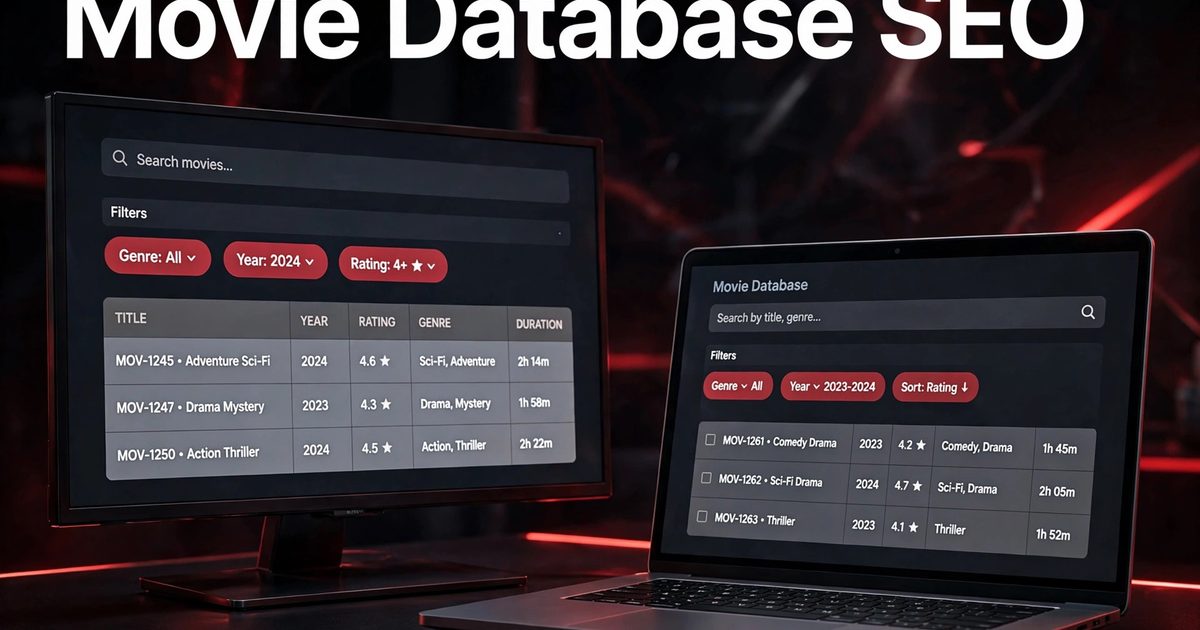
Search is where a database is tested most sharply. A viewer who types a genre, an actor, or a year should reach a useful result in one step, not a page of unrelated titles. Search should cover titles, people, and genres, and filters for genre, year, country, and language should narrow results in a way a viewer can predict before clicking.
Empty results should say plainly that nothing matched, suggest a broader genre or spelling, and offer a content-request form where enabled. A WordPress movie database plugin that treats search as a habit — checked regularly — keeps its catalog findable as it grows.
5. SEO structure: pages search engines can read
A movie database creates many pages, and each one should be readable by search engines on its own. Title pages need clear titles, descriptions, and structured data describing the film, its cast, and its genres.
Templates help here, because no small team writes a unique description for every title by hand. A plugin that offers title and description templates — with placeholders for the title, the year, the genre, and the overview — keeps pages consistent while letting each page describe its own film. Structured data for movie, series, season, episode, and person pages tells a search engine what each page is. Judge a plugin on its pages: open a title page, a series page, and a people page, and check that each one stands alone. This is the WordPress movie database plugin test for SEO pages.
6. Maintenance: the routine that keeps a database honest
A WordPress movie database plugin is not finished at launch; it is maintained, or it decays. Sources must be rechecked when they change, and playback retested when players update. Expired titles must be removed or renewed cleanly, so viewers never meet a dead link.
Maintenance also means watching what viewers actually do. Content requests show what viewers wanted but could not find. The routines are not glamorous, but they are what keep a large catalog feeling small and organised.
7. Database-plugin checklist
The table below turns the points above into a checklist, using only points already explained here. Use it for launch and later reviews, skipping a row only where it genuinely does not apply. A WordPress movie database plugin used against this checklist stays a tool, not a hope.
| Part | Done when |
|---|---|
| Model complete | Movies, series, seasons, episodes, and people linked as records |
| Taxonomies consistent | Genre, year, country, language, and network spelled the same everywhere |
| Import clean | Single-title import with duplicate detection and complete metadata |
| Search predictable | Search covers titles, people, and genres, and filters narrow as expected |
| SEO pages complete | Title, series, and people pages each stand alone with structured data |
| Updates clean | Updated and removed titles leave no orphaned pages behind |
| Maintenance routine | New titles, sources, and players retested on a schedule |
| Rights current | Only titles the site has rights to are offered for playback |
8. A movie database on a WordPress site with MovieEngine
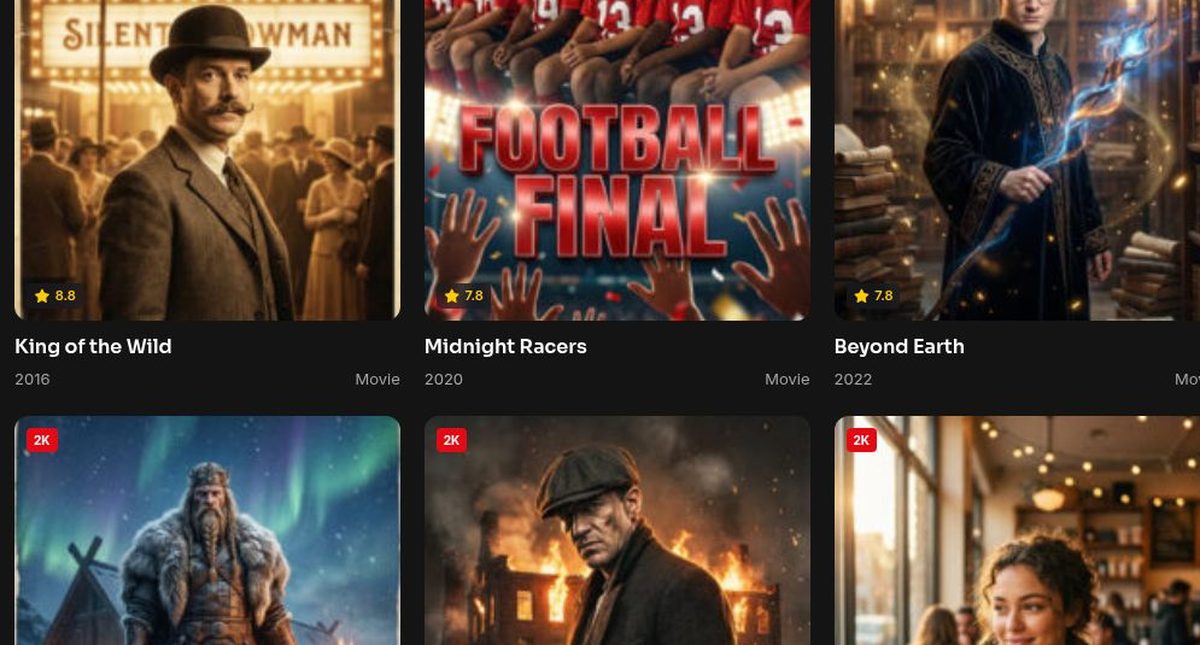
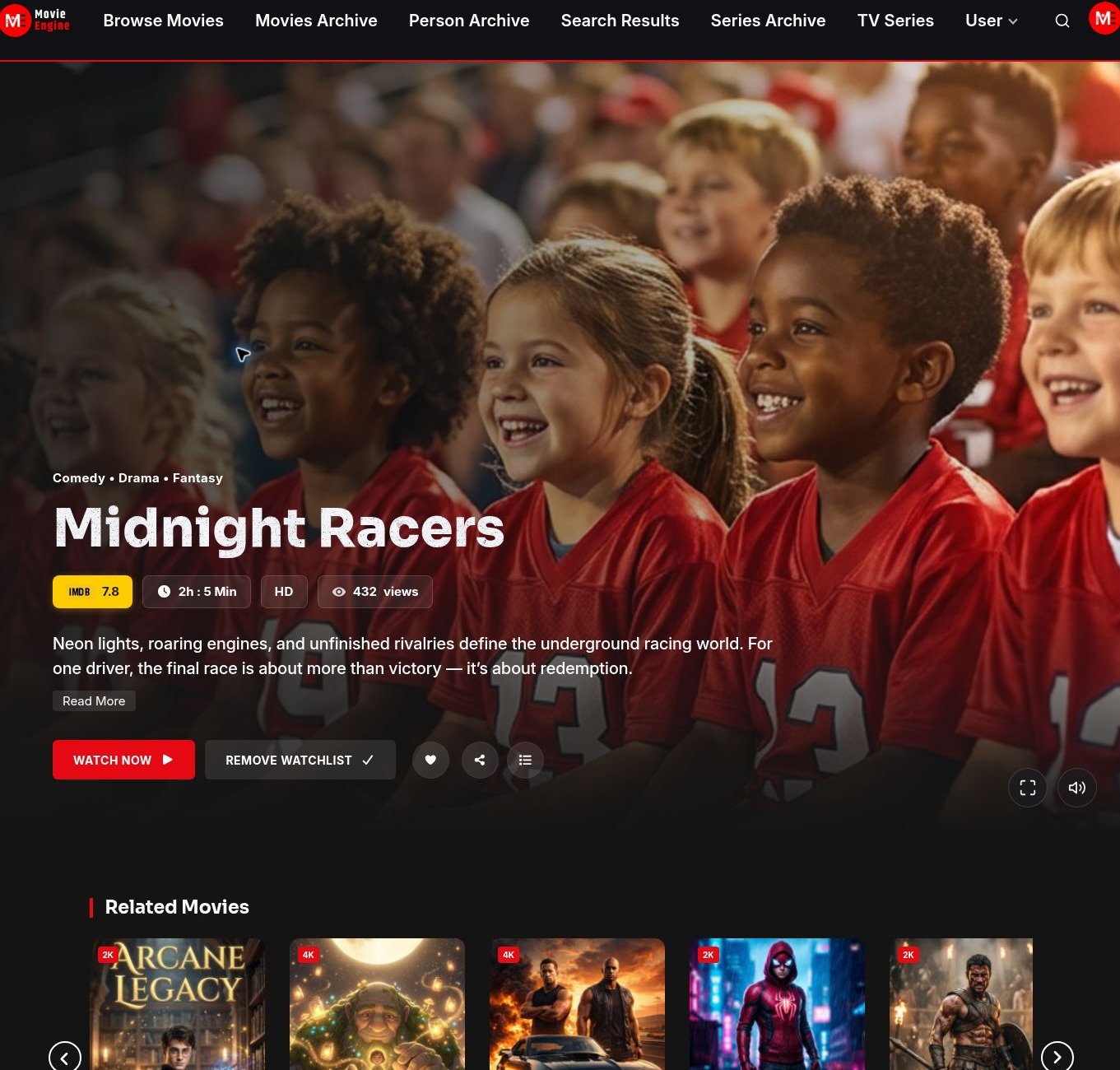
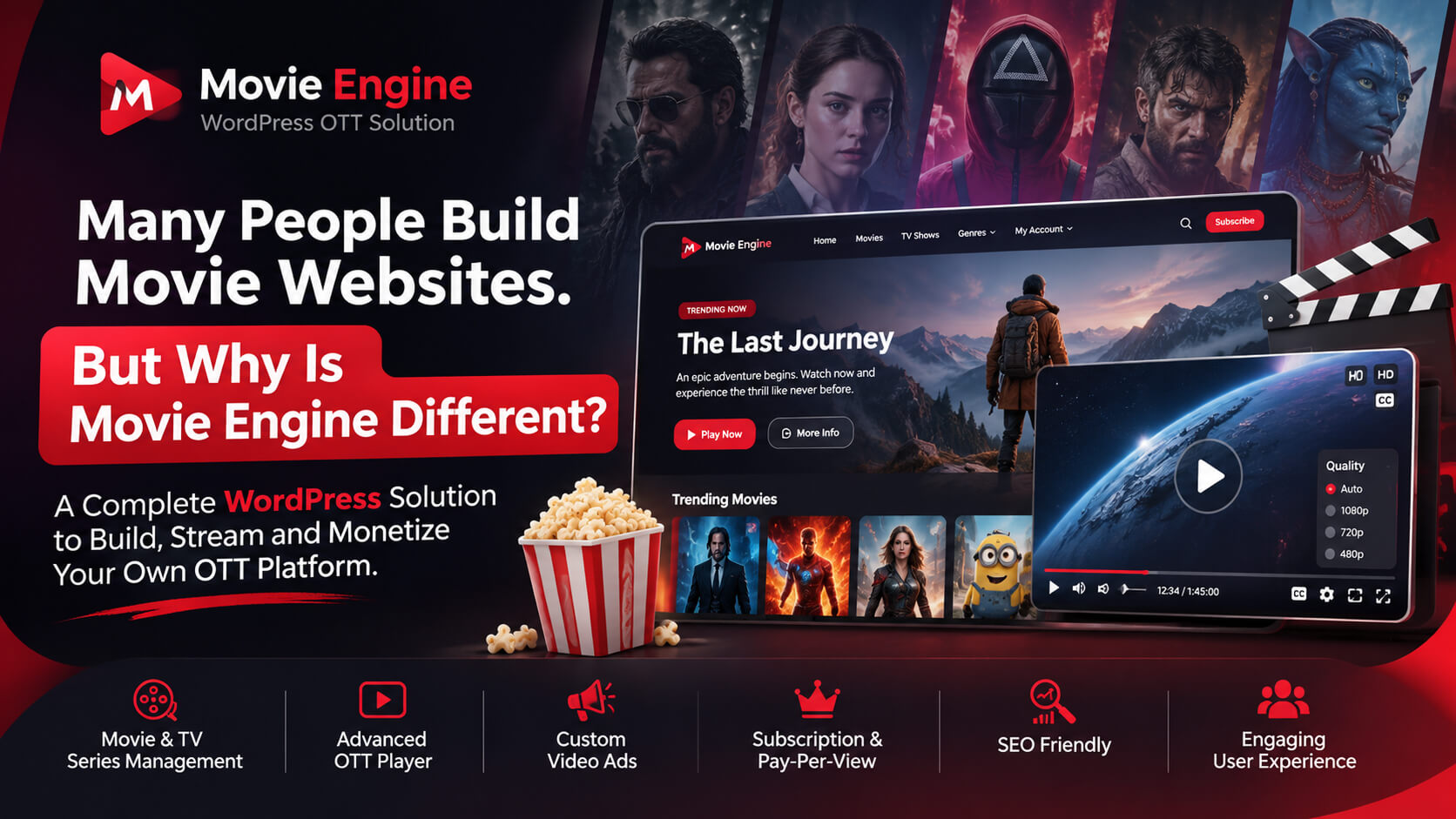
For a WordPress movie site, the WordPress movie database plugin choice sits inside a larger build: catalog, title pages, search, watchlist, and playback must work together. Movie Engine (Free 1.0.8 and Pro 1.0.8, by ThemePul) provides a library of movies, TV series, seasons, episodes, and people in Free, with taxonomies for genre, year, country, language, network, and tags, plus cast and crew profiles and cascade delete. Free also provides single-title TMDb import with duplicate detection, a native HLS and MP4 player with a multi-server switcher, WebVTT subtitles, resume playback, and a quality selector where supported, plus watchlist, Continue Watching, Recently Watched, a user dashboard, banner ads, and affiliate buttons.
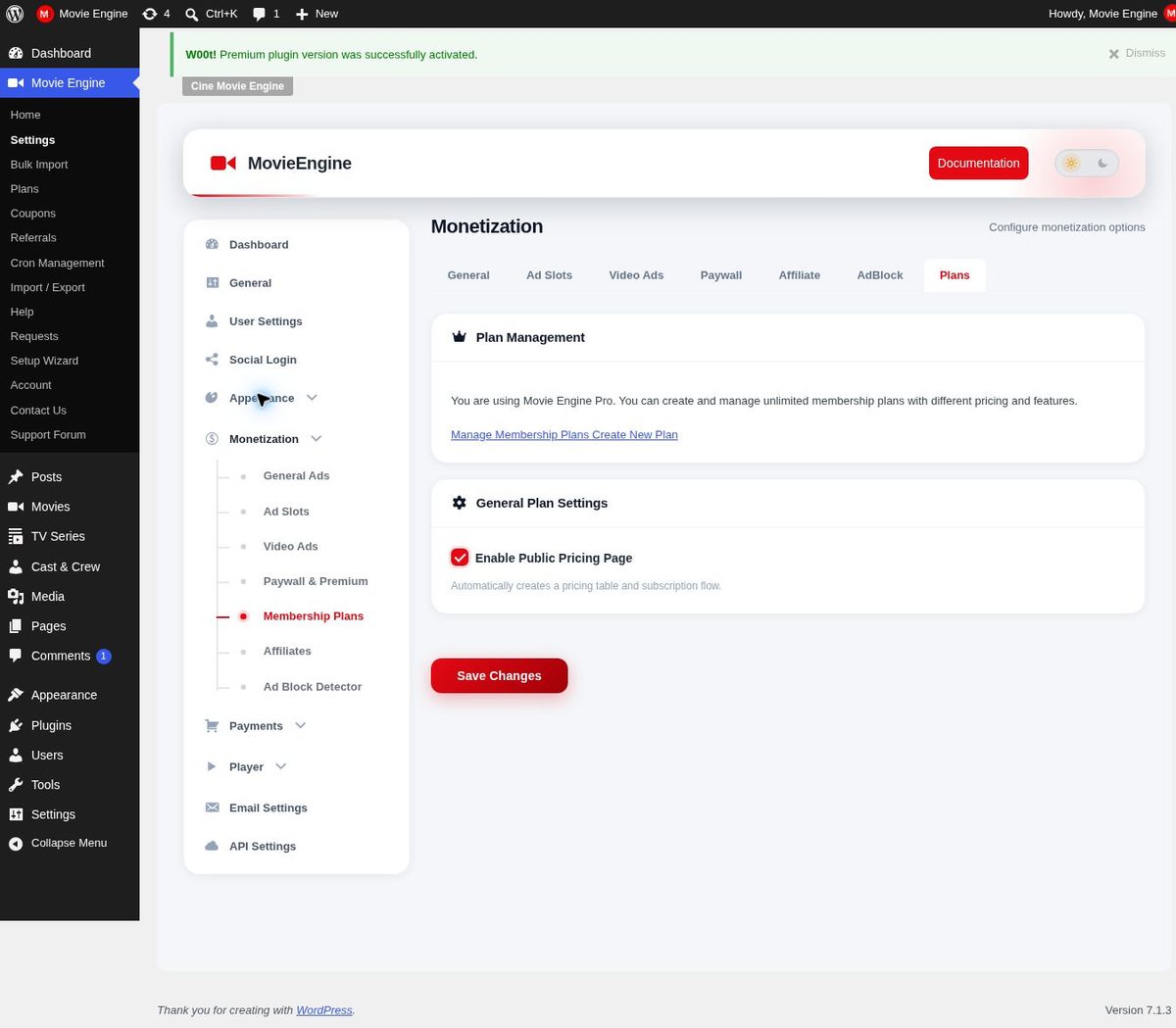
Pro adds separate formats and tools — MPEG-DASH, Shaka Player, and ArtPlayer, plus dynamic watermarking — and those are Pro features, not Free ones. Bulk import, paid access, and referrals are also Pro. Do not plan a site around DASH playback, watermarking, bulk import, or paid access unless Pro is part of the build. Read the documentation and the installation guide before you commit, and try the live demo to see the catalog, title pages, and player in action.
9. Choose, then test before you commit
Choosing well means testing honestly. On a test site, import a handful of real titles, build one collection, save a film to a watchlist, and play it on a phone and a larger screen. Check that a series shows its seasons in order, that an actor’s page lists their films, and that a search for a genre returns every matching title and no others. Those checks reveal a WordPress movie database plugin better than any feature list.
That test is how a WordPress movie database plugin should be chosen — tested, not assumed. The monetization overview in the documentation explains the available models, and current pricing for the plugin itself is separate from any prices you set for your own viewers.
Frequently asked questions
Is a movie database plugin different from a video plugin?
Yes. A video plugin plays video; a database plugin also structures it. A WordPress movie database plugin keeps movies, series, seasons, episodes, and people as linked records with taxonomies, so viewers can browse, search, and follow cast members — work a simple video embed does not do.
How many titles can a database plugin handle?
No fixed number works for every site. What matters is clean import, consistent labels, and fast search as the catalog grows. Test with a realistic number of titles before committing a large library to any WordPress movie database plugin.
Does a database plugin write my descriptions for me?
Not on its own. Import brings metadata such as cast, genres, and ratings, but the niche, collections, and checks remain the site’s work. A WordPress movie database plugin organises information; the editorial judgement remains the site owner’s work.
Can a WordPress plugin run a whole movie site?
For a site build using Movie Engine, Free provides the catalog, title pages, an HLS and MP4 player with a switcher and subtitles, watchlist, Continue Watching, and a dashboard, while Pro adds DASH players, watermarking, bulk import, and paid access. The plugin is the platform; niche, catalog work, testing, and rights remain the site owner’s work.
Conclusion
A good movie database is a sequence: a complete data model, consistent taxonomies, clean import, predictable search, pages that stand alone for search engines, and maintenance on a routine. Follow that order and test with real titles.
If your plan involves a WordPress movie database plugin on a movie site, start with the checklist, publish only titles you have rights to, build a browsable catalog, and test search and browsing the way viewers actually use them. Then read the documentation, try the live demo, and check current pricing before you commit.
Related Posts

Comments (0)